New Zealand AI adoption: can your experience show more than tool familiarity?
Tips · 2026-09-16 · 3 min read
For a New Zealand AI-related application, explain the work you can improve rather than simply naming software. The workforce account discussed here argues that organisations need people capable of redesigning tasks, checking outputs and helping colleagues use new systems. Technology spending alone does not demonstrate those capabilities.
Use the spending imbalance to ask better questions
The source describes research in which 93% of AI spending went to technology and 7% to people and skills. That is a finding from the research, not proof that every New Zealand business spends in the same proportions.
For an applicant, the useful question is how the employer equips staff to work differently. Ask about training, responsibility and the process the role is intended to change. A new tool may be part of an unchanged workflow or a wider operational redesign.
Show how you handle the difficult cases
The account contrasts pilots with systems used in live operations and describes roughly one in eight organisations globally having agentic AI in production. A global adoption comparison is not a count of New Zealand employers hiring specialists.
Prepare a clear example of a task you worked on, the checks you performed and how you responded when an output was unsuitable. Explain where a person retained authority. This helps a recruiter assess practical judgement rather than product familiarity.
Our coverage of AI and skilled work and technology transformation capacity examines related career questions.
Technical work can extend beyond an office
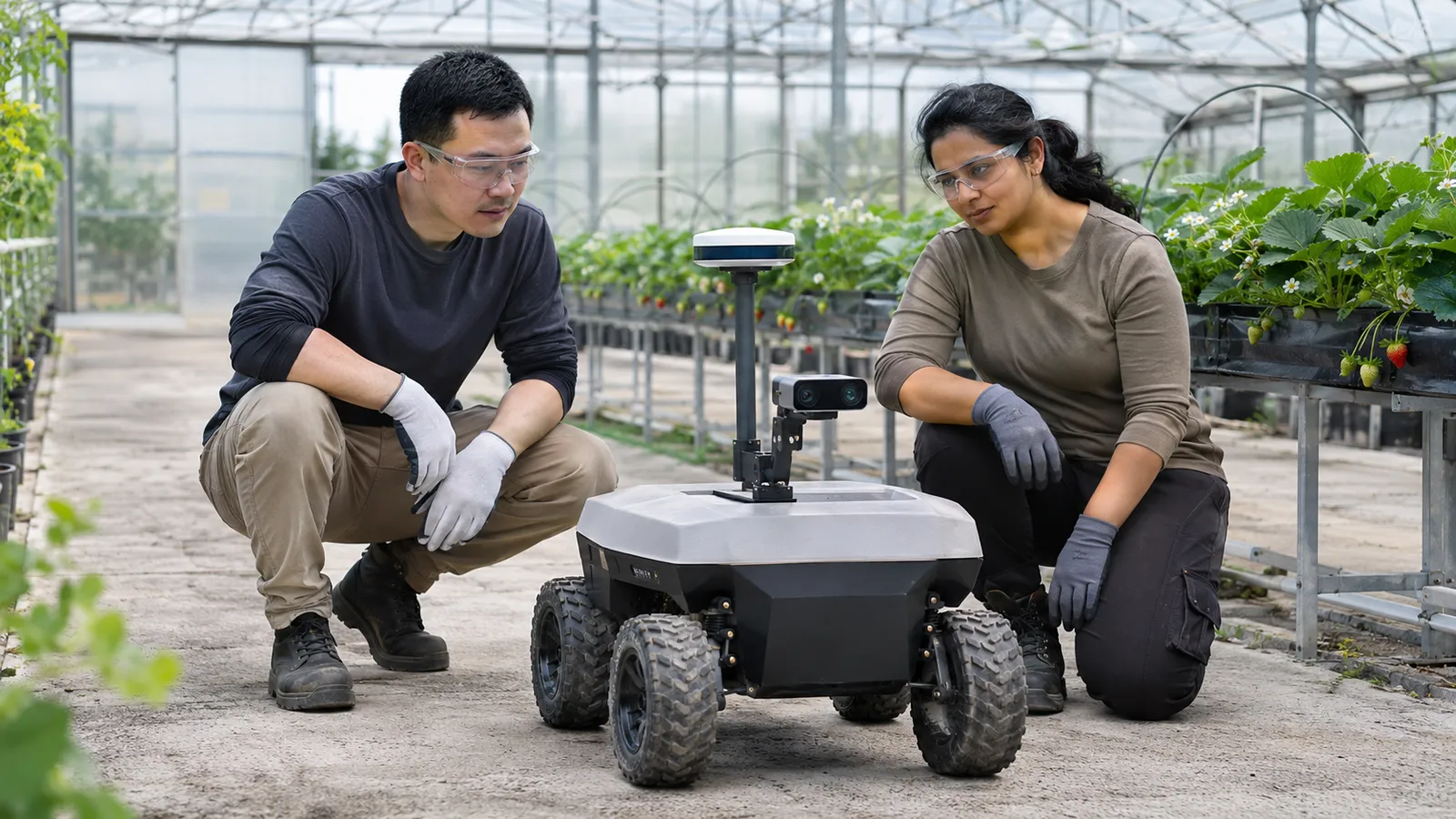
The source discusses automation in agriculture, utilities, transport and infrastructure inspection. Maintaining or managing a physical system can require different expertise from using an office assistant.
Cyber risk also grows as services become digitally dependent. Explain your relevant operational responsibilities accurately, including when you would escalate an issue. Do not imply that interest in AI qualifies you to control a system outside your experience.
- Read the duties rather than relying on the job title.
- Identify a practical example matching those duties.
- Describe checks, human decisions and communication.
- Ask what development and supervision are available.
Compare technical vacancies with the skills you can evidence. A CV that explains technical contributions clearly can show employers how your experience relates to their work.
Common mistakes when presenting AI capability
Do not use a global adoption figure as a local vacancy estimate, claim every employer follows the spending pattern or omit the limits of your responsibility. Keep results and project descriptions factual.
Questions about a practical AI application
Is knowing a tool enough?
The account emphasises capability, judgement and work design too.
Does the research describe every employer?
No. It is an aggregate finding in the account.
Are all AI roles based at a desk?
No. Physical and regional operations are also discussed.
Does technology demand establish immigration eligibility?
No. Assess the relevant work and residence conditions separately.
Describe capability through work you have done
Make the link between your experience and reliable operations clear. That gives an employer something more useful to assess than a list of fashionable tools.
#ai #new zealand #skills #applications
 Office careers across the Tasman: which parts of your work need human judgement?
 New Zealand AI recruitment: can you prove practical skill without overstating the trend?
 Welding careers across the Tasman: does the Australian workshop have secured work?