Construction work across the Tasman: will the project let you use your skills?
News · 2026-08-20 · 3 min read
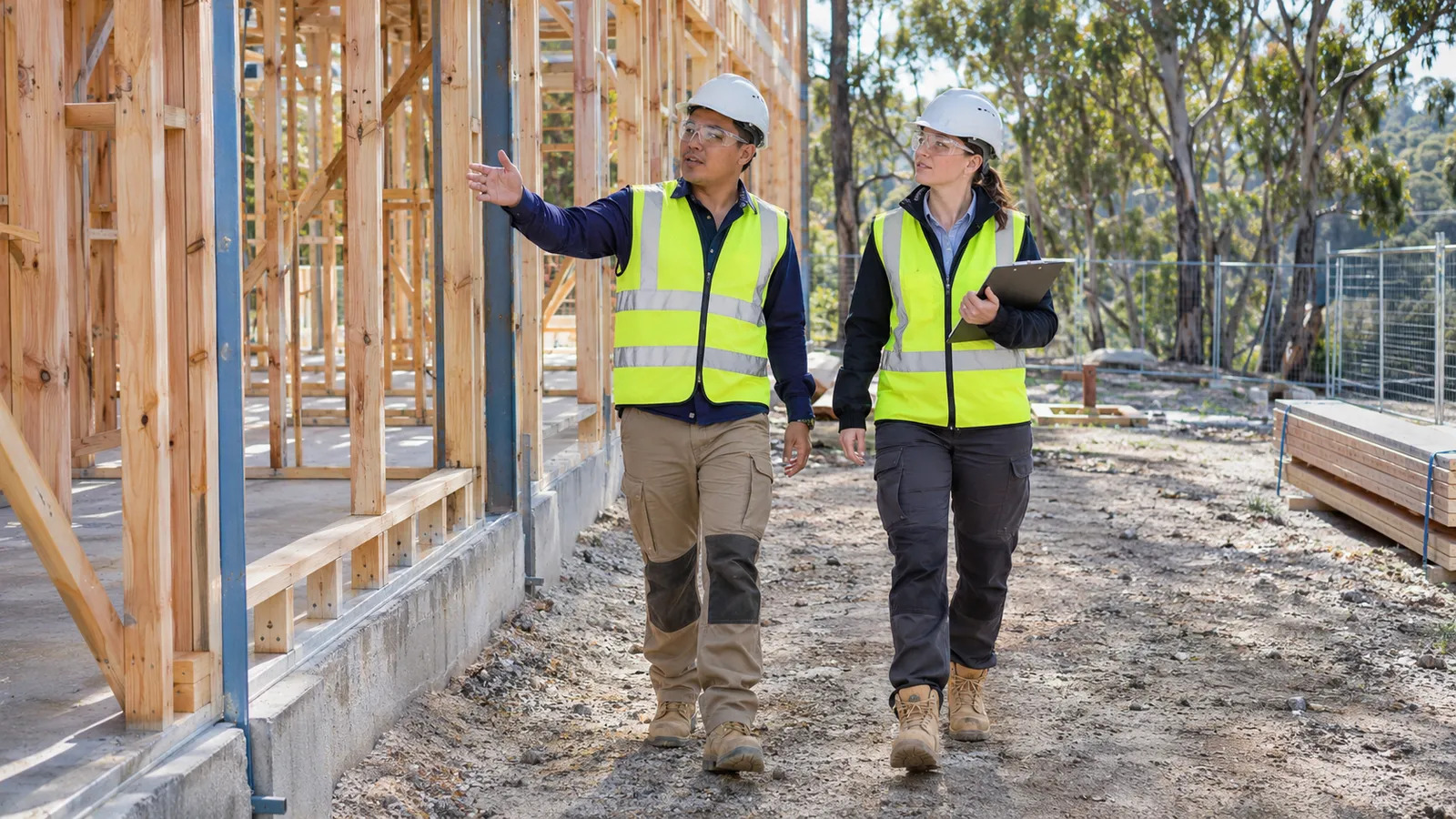
A construction role should be assessed by how work is organised as well as whether the employer needs staff. For someone comparing New Zealand and Australia, the Australian productivity discussion here offers useful questions about approvals, supervision and project coordination. It does not establish the conditions at every construction workplace.
Ask what prevents skilled work from being completed
The source argues that bringing more workers into a project does not resolve inefficient systems. Approval delays, outdated processes and unclear regulatory arrangements can reduce the value of the time people spend on site.
For an applicant, ask how work is scheduled and who resolves obstacles. The answer can help distinguish a role with clear support from one where responsibility is vague. A busy project is not automatically a well-organised one.
Understand the induction and standards you would work within
The account discusses consultation on national construction standards. It suggests clearer arrangements could help with recognition and onboarding, but these are possible effects rather than outcomes already established.
Do not assume consultation changes your qualification status. Ask the actual employer which procedures, standards and supervision apply, then verify any professional recognition separately.
Read related coverage of New Zealand project continuity and Australian business capacity.
Consider whether the role sits in a viable project
The source links sustainable margins with investment in training, technology and better systems. An employer under pressure may have less room to develop staff or improve coordination.
This does not mean a candidate can diagnose a business from a headline. It means practical questions about the work pipeline, role boundaries and support deserve attention before relocating.
Contracts and dispute arrangements should also be understandable. A worker needs to know what is expected, who supervises the work and how questions are raised. These details are relevant in either destination, though legal and professional conditions remain country-specific.
- Clarify the duties and expected project work.
- Ask how approvals and changes are managed.
- Understand induction, supervision and escalation.
- Assess recognition and immigration requirements separately.
Compare construction vacancies with the responsibilities you can demonstrate. A CV explaining how you worked within project teams can show useful experience beyond the trade title.
Common mistakes when a project needs more staff
Avoid assuming recruitment fixes every delay, that proposed standards are already implemented or that a large pipeline proves good working arrangements. Ask about the actual project rather than rely on sector demand.
Questions about a construction workplace's systems
Does a shortage prove the work is well organised?
No. Staffing and coordination are different issues.
Did consultation automatically recognise qualifications?
No. Check the applicable recognition process.
Why ask about supervision?
It clarifies responsibility, support and decision-making.
Can the same questions be useful in New Zealand?
Yes, while checking local conditions separately.
Choose work where your competence can be used effectively
Look at the systems supporting the role, not only the need for another worker. Practical organisation matters to the value of an overseas move.
#construction #productivity #australia #new zealand
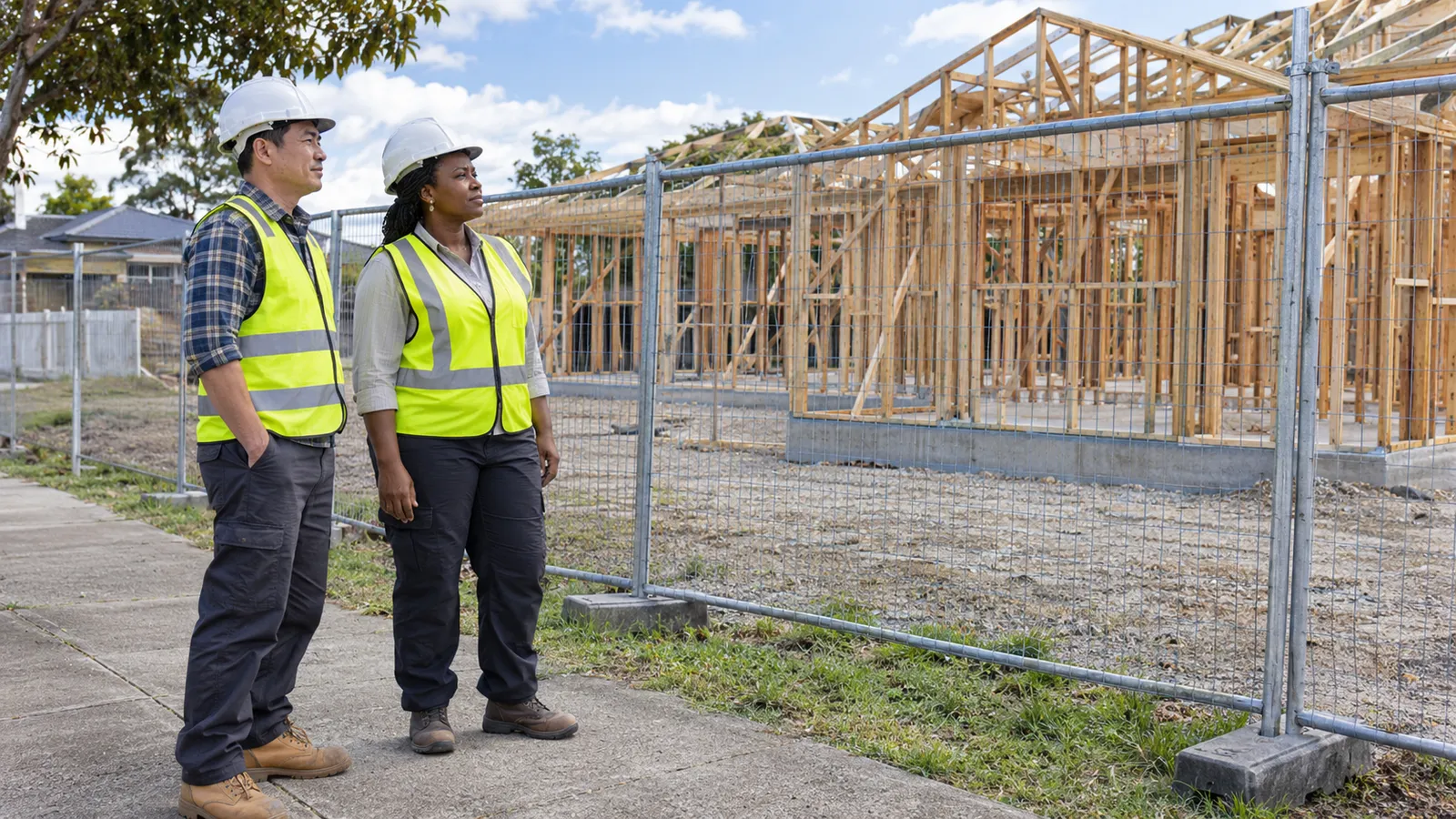 Considering Australian construction too? What does the estimated trade gap tell you?
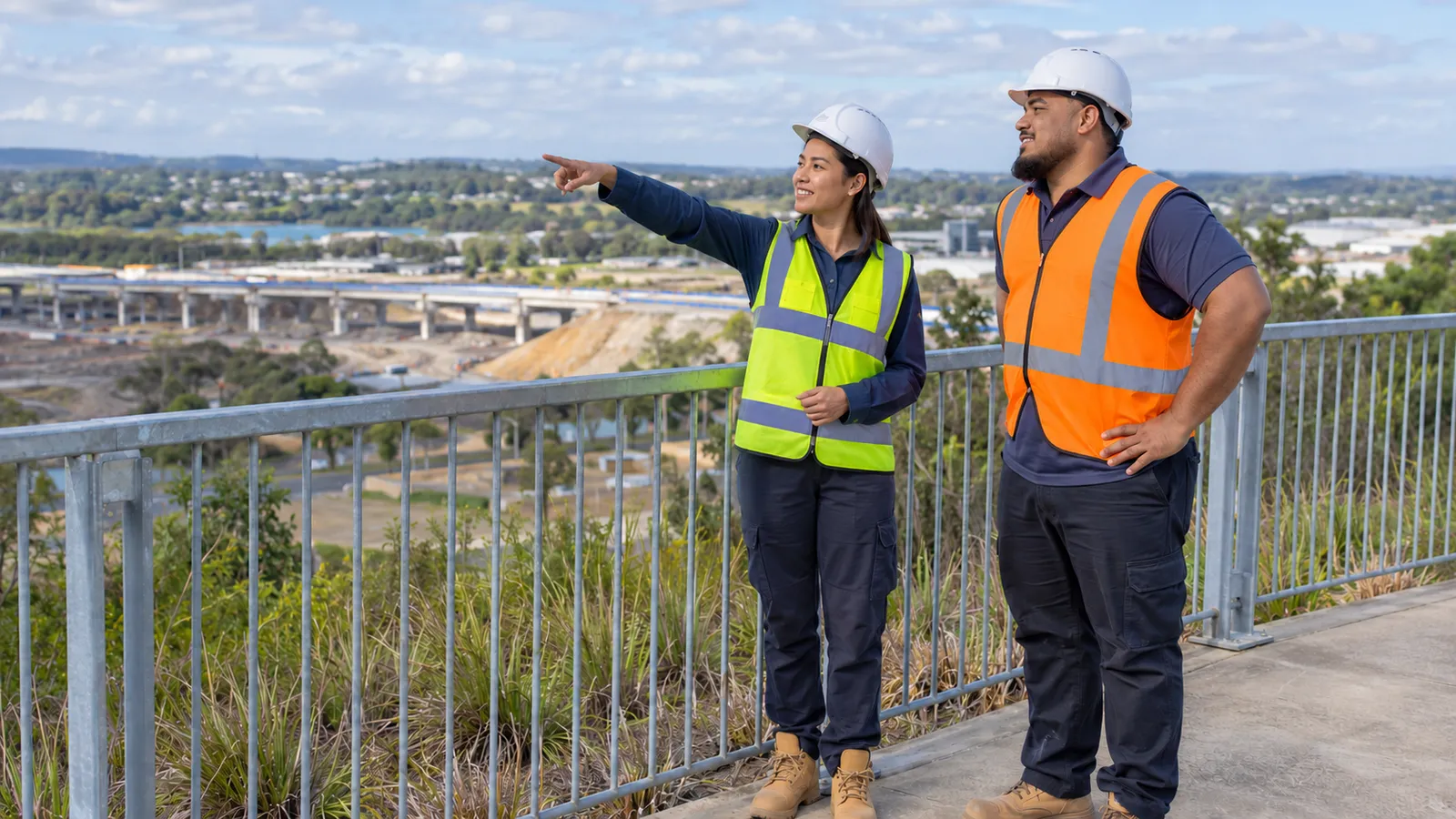 Australian trade forecasts through 2035: are you reading a scenario as a job promise?
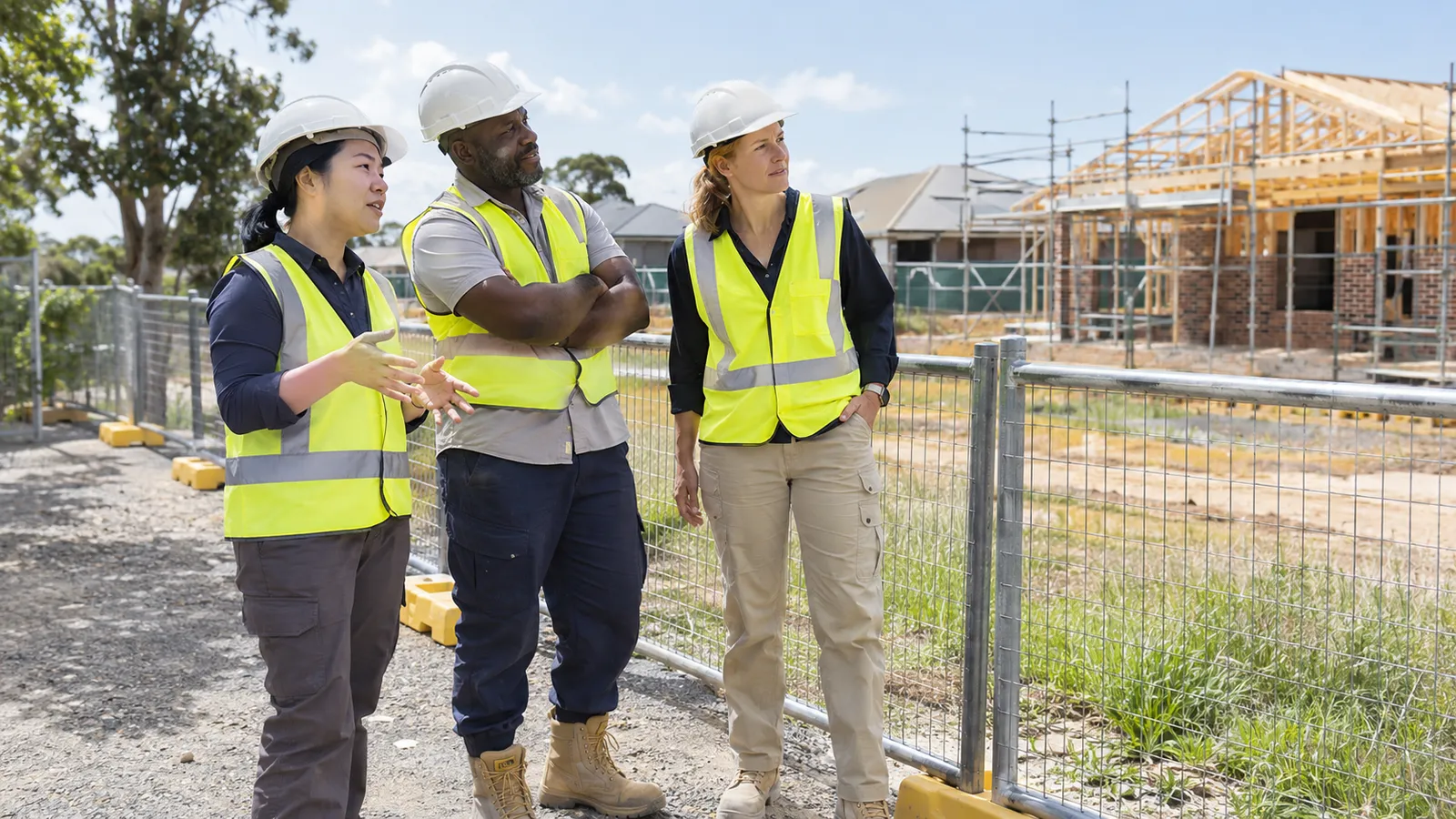 Australian building work: can the employer sustain the opportunity you are considering?