New Zealand infrastructure work: is the project pipeline continuous enough for your move?
News · 2026-08-20 · 3 min read
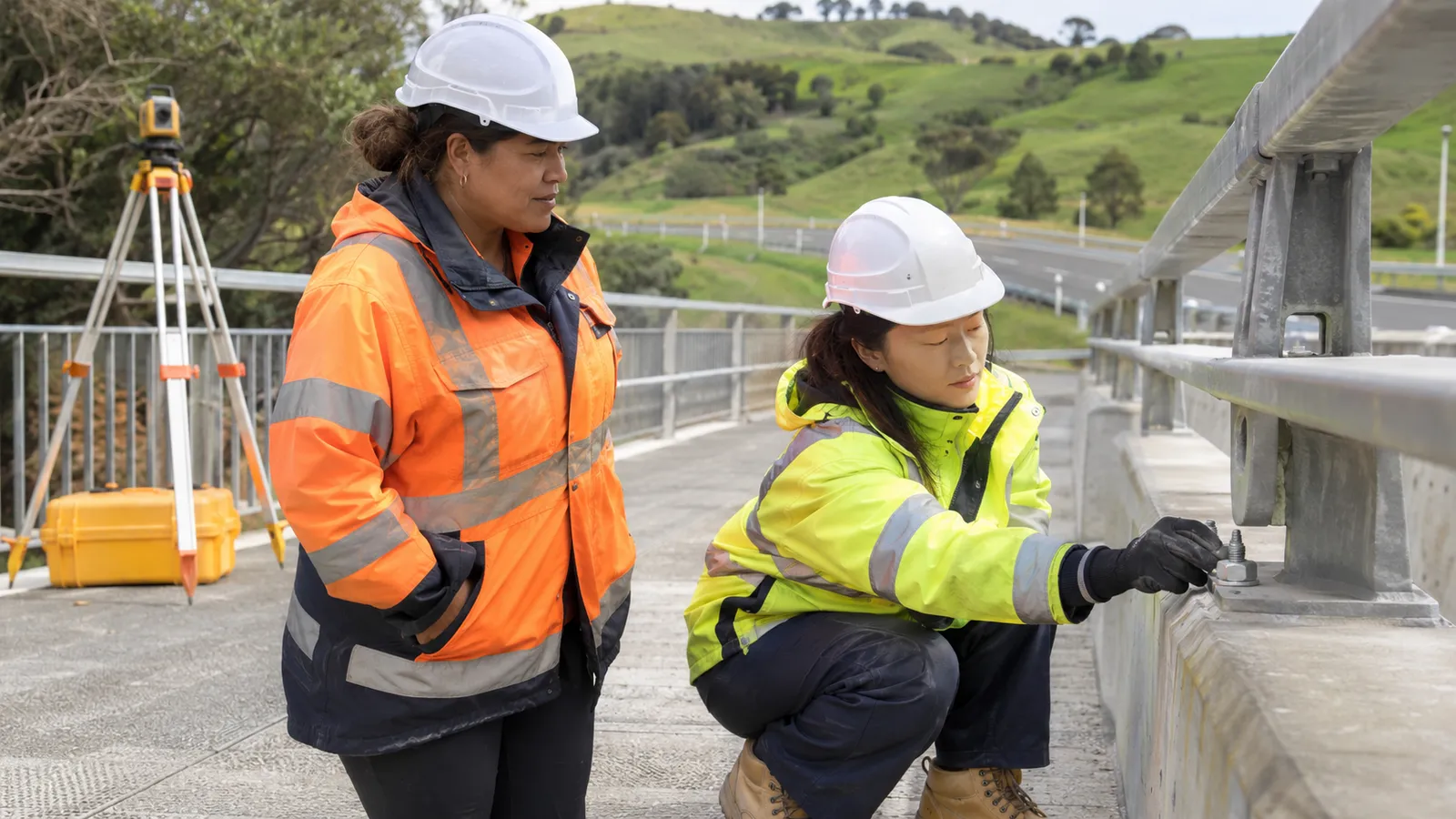
A large New Zealand infrastructure pipeline does not tell you when a suitable job will start or how long its work is secured. The account discussed here describes close to $200 billion of committed and planned projects alongside workforce losses. Applicants need to distinguish an investment pipeline from a funded position.
Separate planned projects from work ready to deliver
Roads, rail, water and energy programmes need different skills at different stages. Design work, construction and later operation do not necessarily happen together. Ask which part of the programme supports the vacancy and what decisions remain outstanding.
The source describes construction employment falling 3.5% in the year to March 2025 and a two-year decline costing around 16,000 jobs. A substantial long-term pipeline can therefore coexist with a weak period for current employment.
Continuity helps retain specialist experience
The account describes more than 100 tunnel boring machine operators leaving after tunnelling finished on Auckland's City Rail Link. That example illustrates how a gap between projects can disperse specialist capability.
It also gives an estimated need for around 2,300 new engineers annually and notes the contribution of overseas-trained engineers. Those figures explain a capacity concern, not a vacancy count or a personal recruitment advantage.
Read our coverage of engineering experience and recruitment and regional trade planning.
Read forecasts with their reference period attached
The source cites infrastructure activity growing from $16.9 billion in 2024 to $19.6 billion by 2030. It also describes a transport workforce estimate of around 65,000 by 2026/27, compared with 40,000 previously.
These are estimates and forecasts in the account. They do not establish what every employer can offer today. A business may need skills later while recruiting cautiously now, or require a narrowly specialised background that differs from your experience.
- Identify the project stage and duties behind the vacancy.
- Ask which work is confirmed and how continuity is planned.
- Explain relevant technical experience clearly.
- Check professional and immigration requirements independently.
Compare infrastructure and engineering roles on their actual conditions. A CV organised around relevant project stages can help an employer understand how your work fits.
Australia may be another destination to consider, but it also requires its own role and eligibility assessment. Movement across the Tasman in a workforce account does not establish the rights of every New Zealand resident or temporary visa holder.
Common mistakes with a large infrastructure total
Do not assume every planned dollar is contracted work, treat forecast employment needs as current jobs or overlook gaps between specialist projects. Suitable experience and a clear employment arrangement remain essential.
Questions about infrastructure work continuity
Is a planned project the same as a vacancy?
No. Confirm the position and programme stage.
Can demand coexist with job losses?
Yes. The account describes different time horizons.
Why ask about the next project?
Continuity can matter to employment and career planning.
Does the forecast settle visa eligibility?
No. The route's conditions require separate checking.
Look for a role supported by real delivery plans
Use the national pipeline as context, then assess confirmed work, technical fit and practical conditions. That is a stronger foundation for an infrastructure move.
#infrastructure #new zealand #engineering #careers
 Planning study in New Zealand or Australia? Ask how the degree connects to skilled work
 AI and an Australian office career: how should New Zealand job seekers compare the risk?
 An Australian company wants your skills: is it offering a move or remote work?